IDGAF Embroidery Design Review
First Impressions: What IDGAF Says Visually
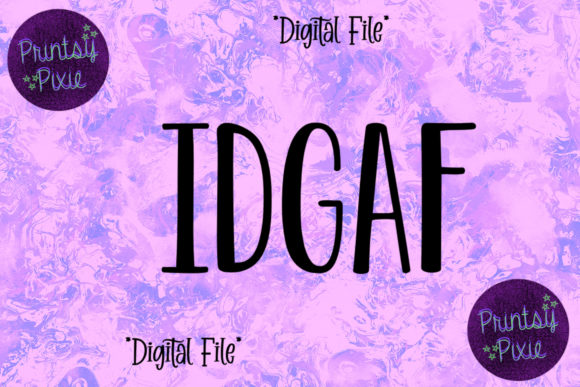
When I first opened the IDGAF embroidery design file, it immediately caught my attention with its bold, unapologetic vibe. The layout is simple yet striking—perfect for those who want to make a statement without overcomplicating things. It feels like a modern take on classic typography, with clean lines and a confident attitude that screams "I don't care what you think."
The mood of this design leans into casual confidence, which makes it ideal for projects that aim to be both personal and professional. The shape and theme suggest it's more suited for apparel or accessories where a bit of attitude can elevate the look. The detail level is just right—not too intricate, but enough to hold up under scrutiny when stitched properly.
Real-Life Use: Custom Tote Bag Scenario
I recently used IDGAF for a custom embroidered tote bag project. The goal was to create something eye-catching for a small boutique that sells handmade goods. The design sat perfectly in the center of a large canvas tote, giving it a strong visual anchor without overwhelming the fabric.
One thing I noticed was how well the text flowed on a curved surface. While it wasn’t placed on a cap or hat, the slight curve of the tote didn’t distort the design’s clarity. This shows that IDGAF could work well on items like sweatshirts, aprons, or even pillow covers, where a little curvature is expected.
Customers were impressed by the message it conveyed. It added a fun, edgy twist to otherwise neutral products, making them stand out in a crowded market. As an Etsy seller, I found that this kind of design can help attract buyers looking for unique, expressive items.
Performance in Real Embroidery Projects
IDGAF performed well across several types of embroidery projects. On a white t-shirt, the contrast between the thread color and the fabric made the text pop. When tested on a dark navy hoodie, using a light-colored thread still kept the design readable, though it required a slightly higher stitch density for better visibility.
For baby clothes, I would advise caution. The design is not overly detailed, but the phrase itself might not be appropriate for younger audiences. However, it works beautifully on adult apparel, especially for personalized gifts or commercial merchandise aimed at a mature demographic.
In terms of embroidery file compatibility, the SVG and transparent image formats worked seamlessly with Cricut Design Space and Silhouette software. This makes it easy for crafters and small business owners to integrate IDGAF into their workflow without technical hiccups.
Where to Use with Caution
While IDGAF is versatile, there are situations where it may not shine as brightly. For example, on very small hoop sizes, the text can lose its impact and become too cramped. It’s also important to consider fabric texture—on stretchy or thin materials, the design might require additional stabilizer to prevent distortion.
Using IDGAF on dark fabrics can be tricky if the thread color isn’t carefully chosen. Testing it in black and white mockups beforehand helps ensure that the final product looks sharp and professional. Additionally, if you plan to use it on layered garments or curved surfaces like caps, make sure the design doesn’t have too many fine details that could get lost during stitching.
Visual Appeal and Professionalism
The visual appeal of IDGAF lies in its simplicity and boldness. It adds character to any handmade product, whether it’s a personalized gift or a commercial item sold online. The clarity of the text ensures that it remains legible even after multiple washes, which is essential for maintaining customer trust and product value.
As a designer, I appreciate how IDGAF maintains brand consistency when used repeatedly across different items. It can easily be adapted into design assets for craft business branding or Etsy listings. Its straightforward nature also makes it highly giftable, especially for holidays or special occasions where a touch of humor or attitude is appreciated.
Practical Embroidery Designer Notes
Before using IDGAF in any real project, always test it on scrap fabric first. This helps identify potential issues with stitch density or thread color contrast early on. Check the hoop size needed for your specific project, and remember to use the right stabilizer depending on the fabric type.
If you're planning to sell finished items or digital products featuring IDGAF, make sure to confirm licensing terms before proceeding. Also, inspect small details closely, especially if you're creating embroidered patch designs or sweatshirt embroidery.
Finally, test the design in both light and dark backgrounds to see how it translates visually. This step is crucial for ensuring that the finished product meets your expectations and aligns with your brand identity.